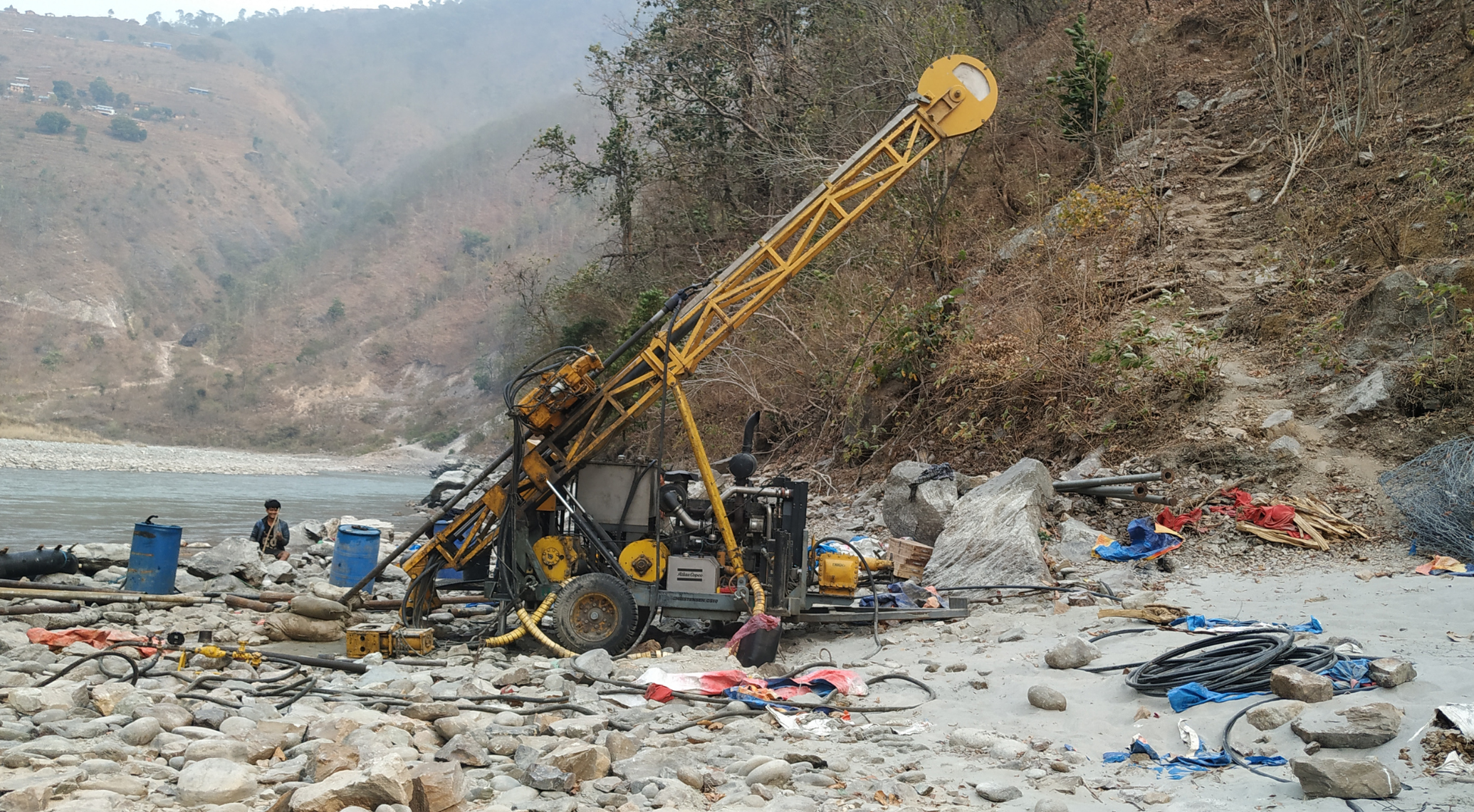
The Dudhkoshi Storage Hydroelectric Project is a game-changer for the region, not only generating clean energy but also bringing socio-economic benefits, modern infrastructure, and employment opportunities to local communities. From improved roads and bridges to land acquisition plans and environmental safeguards, here’s a detailed look at how this project will positively impact the affected areas.
1. Access Roads and Permanent Bridges: Boosting Connectivity
To support the transport of large construction materials, machinery, turbines, and generators, three major national highways will be utilized:
- Sagarmatha Highway (LZZT)
- Siddhicharan Highway (LZZDN)
- Madhyapahadi Highway (LZZNG)
Beyond these highways, approximately 98 km of public access roads and 15 km of newly constructed connecting roads will link the dam, powerhouse, and other key project sites.
Key Road & Bridge Developments:
✔ 71 km of road track construction already completed by central, provincial, and local governments.
✔ Detailed engineering design completed by Chilime Engineering and Services Company Ltd. (CESCL) in FY 2080/81.
✔ Environmental and social data collection conducted by the Environment and Social Studies Department (ESSD).
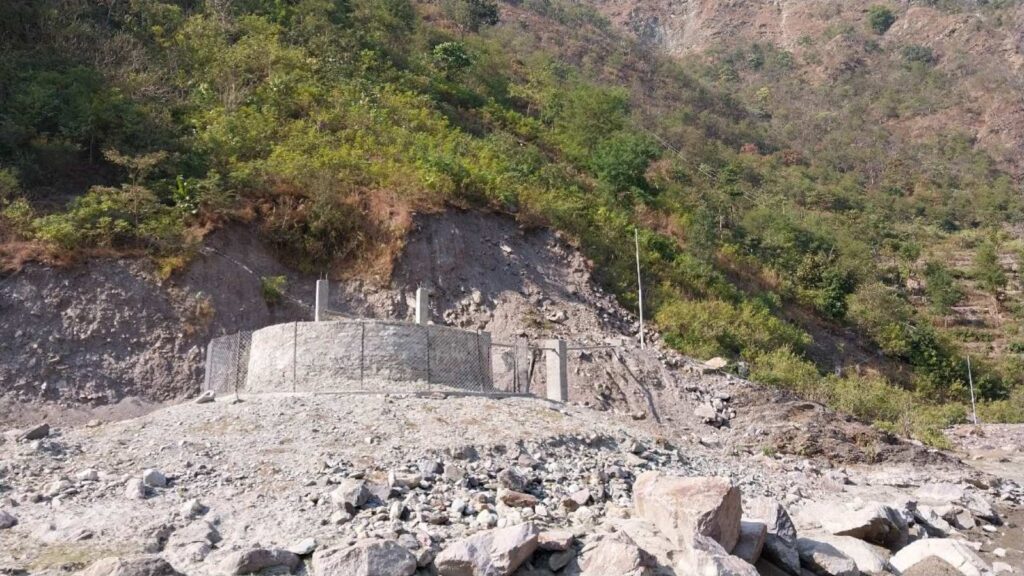
Three Permanent Bridges for Better Accessibility:
| S.N. | Bridge Name | River | Length | Status |
|---|---|---|---|---|
| 1 | Bhoje Bridge | Dudh Koshi | 150 m | Contract signed in Asar 2081 (2 km south of the dam) |
| 2 | Rabuwa Beli Bridge | Dudh Koshi | 94 m | Bid evaluation ongoing |
| 3 | Bhadbesi Bridge | Lhikhu Khola | 41 m | Bid evaluation ongoing (Powerhouse access road) |
🚧 Additionally, a Preliminary Environmental Assessment (PEA) study for two 5 km road sections is in the final stages, conducted by CESCL.
2. Environmental and Social Studies: Protecting People & Nature
The project directly impacts 25 wards across three districts:
Affected Areas:
📍 Khotang District – Rawa Besi & Enshelukharka Rural Municipalities, Halesi Tuwachung Municipality.
📍 Okhaldhunga District – Siddhicharan Municipality, Chisankhugadhi & Manebhanjyang Rural Municipalities.
📍 Solukhumbu District – Nechasalyan & Thulung Dudhkoshi Rural Municipalities.
Households Impacted:
🏡 3,177 total households affected.
🏡 238 fully affected households.
🏡 2,939 partially affected households.
🏡 52 households affected by transmission line construction.
EIA & Social Safeguards:
📜 Updated Environmental Impact Assessment (EIA) report submitted in Kartik 2081 – awaiting government approval.
🌍 World Bank environmental & social safeguards are being finalized, with reviews ongoing.
📢 Public hearings on transmission line impact completed.
🏛️ ESSD established an on-site office to oversee environmental and social impact studies for the past three years.
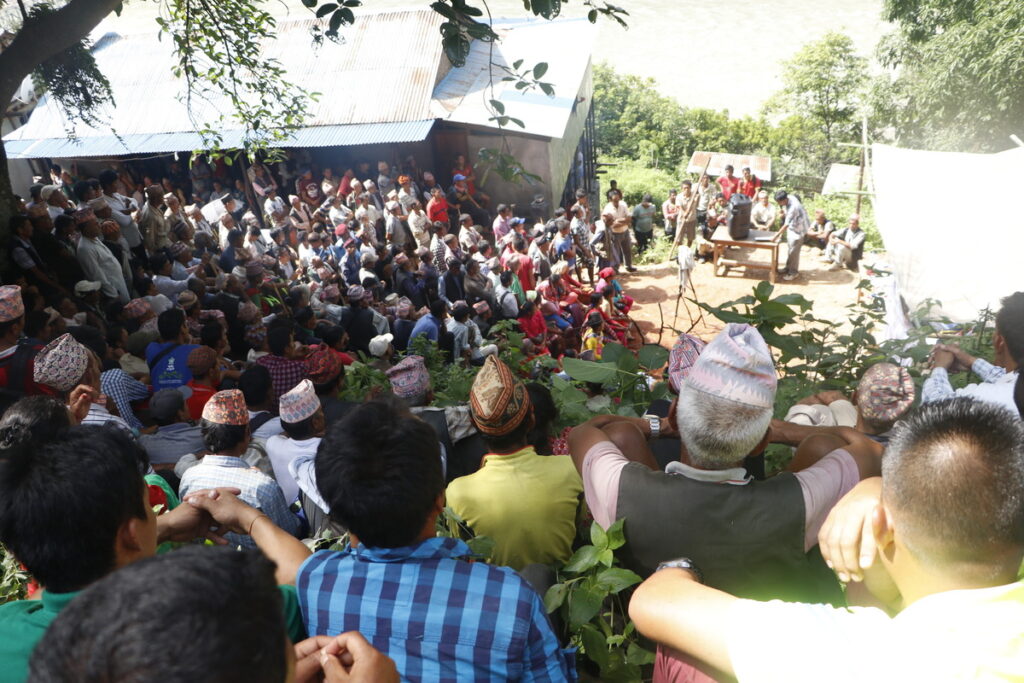
Engaging Indigenous Communities:
✔ Free, Prior, and Informed Consent (FPIC) process for local indigenous communities has been initiated.
✔ Phase 1 consultation meetings completed; Phase 2 in progress.
✔ Meetings with Indigenous Peoples Advisory Council & Task Force held on Magh 5-6, 2081.
3. Land Acquisition: Ensuring Fair Compensation
🏔️ Total land impacted: ~ 65,000 ropani (including access roads & infrastructure).
📜 Land to be acquired: ~ 30,000 ropani.
📢 21,000 ropani land acquisition notices published for Khotang & Okhaldhunga districts.
💰 Budget request process for land acquisition submitted to the World Bank.
4. Employment & Skill Development: Creating Opportunities
💼 Thousands of jobs for local workers in construction, engineering, and maintenance.
🔧 Skill-based training programs in collaboration with municipalities.
🏗️ Training in construction, electrical work, and hydropower operations to empower the local workforce.
5. Transmission Line: Strengthening Nepal’s Energy Grid
⚡ Main powerhouse to Dhalkebar Substation – 81.4 km, 400 kV double-circuit transmission line.
⚡ Dam-to-toe powerhouse to Bhadaura Substation – 1.6 km, 400 kV double-circuit transmission line.
🔌 Tingla (Solukhumbu) to Main Powerhouse – connection via Bhadaura Substation.
🏗️ All transmission lines will be constructed separately by Nepal Electricity Authority (NEA).
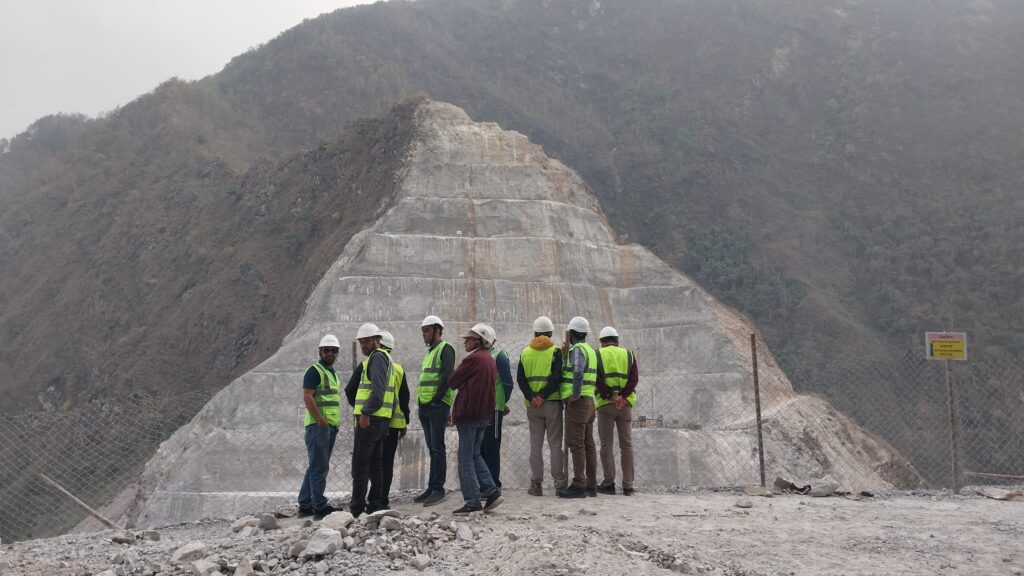
6. Sustainable Development: Long-Term Benefits to the Community
✅ Reliable Electricity Supply – Powering schools, hospitals, industries, and households.
✅ Improved Infrastructure – Better roads, modern bridges, and transport facilities.
✅ Economic Growth – Attracting business investments, local businesses, and tourism.
✅ Environmental Protection – EIA and safeguard plans ensure sustainable development.
✅ Enhanced Quality of Life – Access to education, vocational training, and employment.